BMW X7 2019
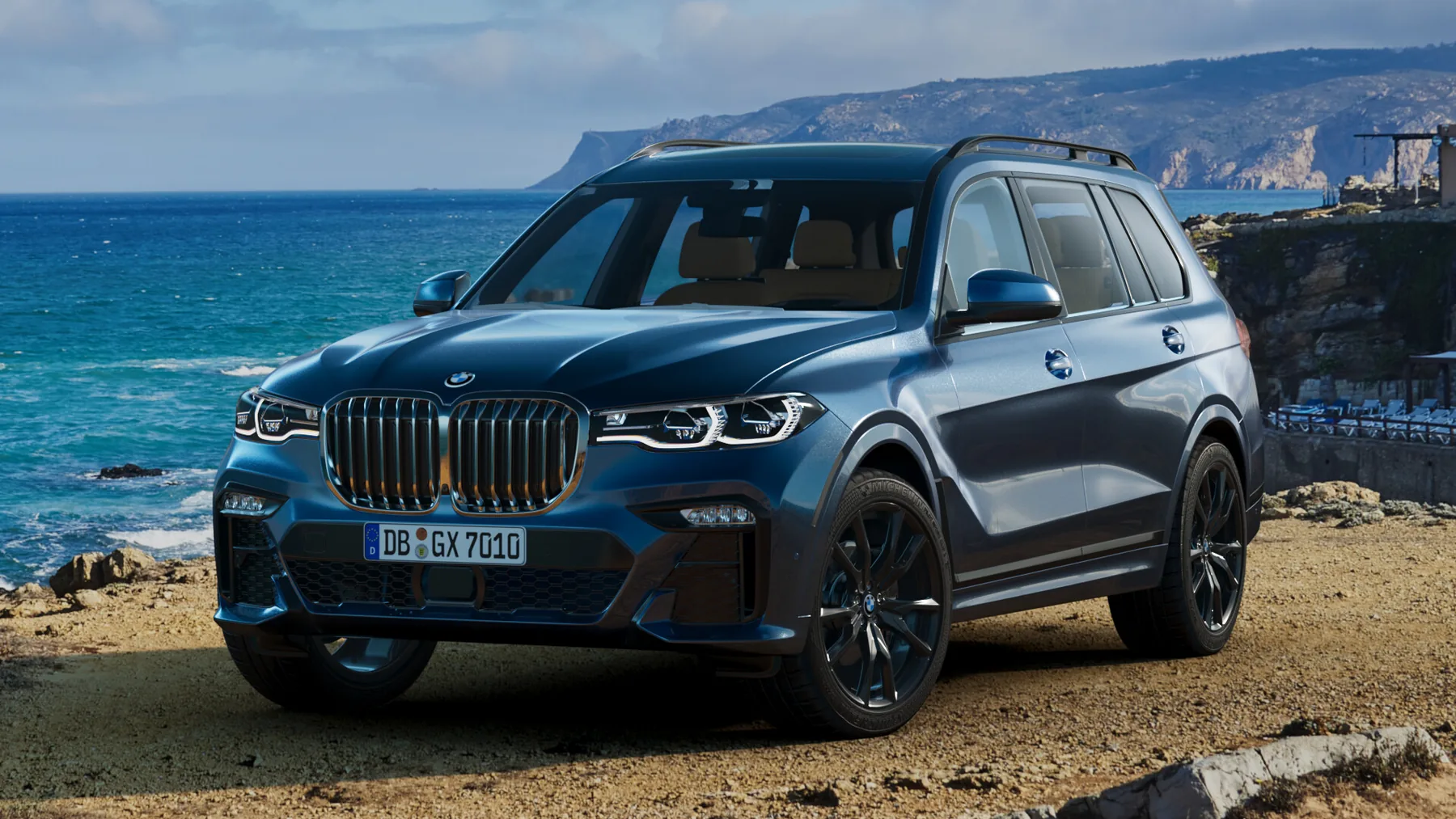
A study project focused on the photorealistic integration of a CGI vehicle into a photographic environment. The goal was to achieve an indistinguishable level of realism, with a focus on lighting accuracy, materials, and compositing.
The Integration Challenge
The objective was to integrate a 3D model of the BMW X7 into photographic plates. The lighting, shadows and reflections had to follow the visual cues already present in the environment so the vehicle sat more convincingly within the image.
This required a meticulous approach to material creation in Redshift and a multi-pass compositing workflow in Nuke to refine every detail.
Final Render
The result is an image where the boundary between real and virtual is blurred, highlighting both the vehicle model and the quality of the integration.
Creation Process
The 3D model of the BMW X7 was placed in the scene. Materials such as metallic paint, glass, and chrome were developed in Redshift for Maya. The scene was then lit using an HDRI captured from the environment to achieve realistic lighting and reflections.
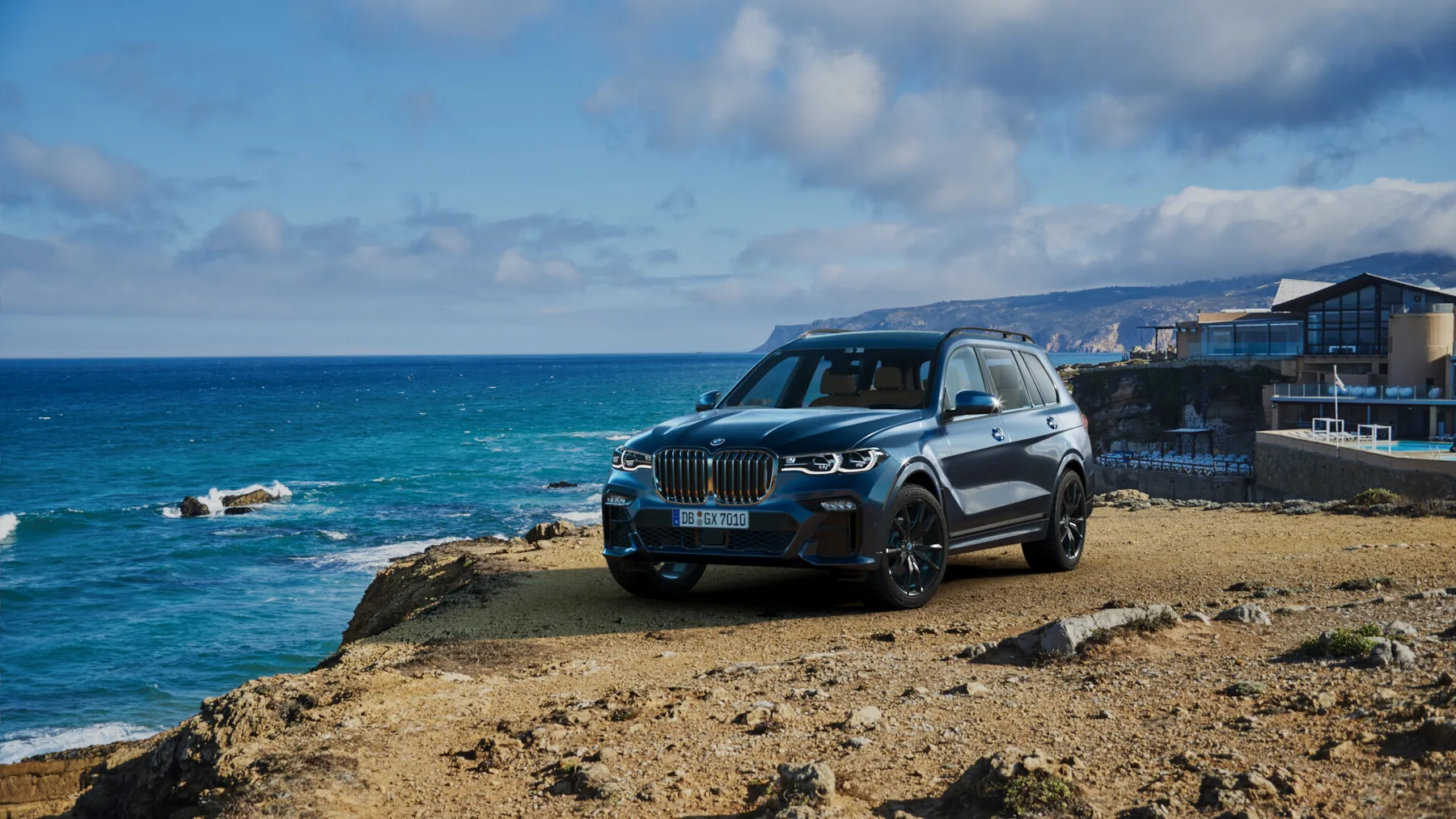
Several render passes (beauty, reflection, shadows, ambient occlusion) were exported to Nuke for final compositing, where they were layered and adjusted against the photographic plate.
Breakdown Video
This short video shows the different layers and steps that make up the final image, from the raw backplate to the final grading.
What I learned
I learned how quickly small mismatches in reflections and contact shadows reveal a CGI integration. The photographic plate had to remain the reference for lighting, materials and grading. Keeping the render passes purposeful made the Nuke composite easier to control.
Credits and confidentiality
- Production
- Personal study
- Role
- Lighting, Rendering and Compositing
- Work by others
- Photographic plates by Pavel Mik.
- Confidentiality
- No NDA. This was not a commissioned advertising production.